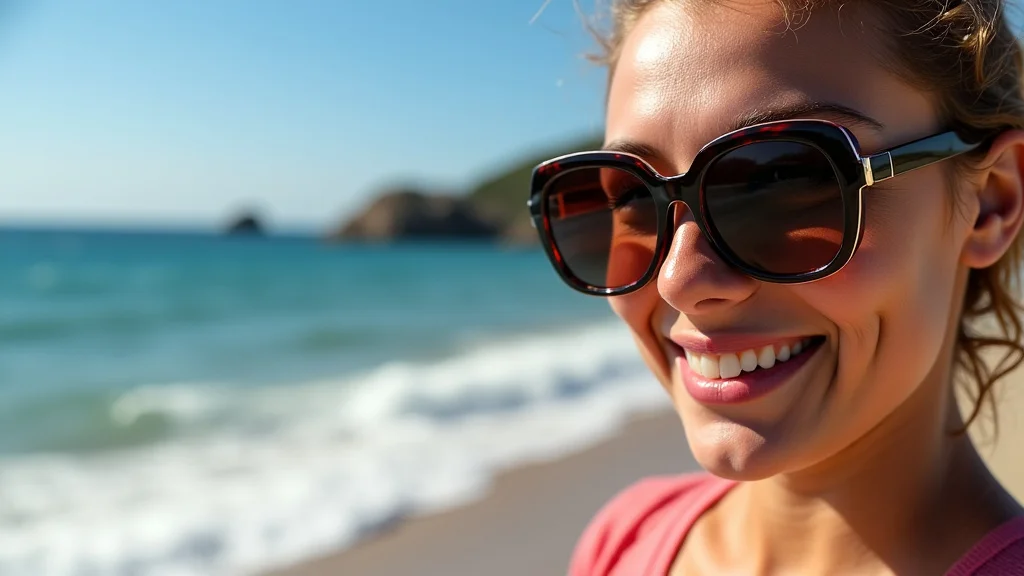
Finding a great sun glasses image can be tricky, especially when you’re just starting out. You want something that looks good and shows off the glasses clearly. Many beginners struggle with getting the lighting right or making sure the glasses aren’t blurry.
Don’t worry, though! This guide makes it super simple. We will walk you through it step by step so you can get awesome pictures every time.
Get ready to make your sun glasses images shine.
Key Takeaways
- Learn how to select the best lighting for sun glasses photos.
- Discover techniques to ensure your sun glasses image is sharp and clear.
- Understand common mistakes to avoid when photographing sun glasses.
- Find tips for showcasing different styles of sun glasses effectively.
- Get advice on editing your sun glasses image for a polished look.
Capturing Your Sun Glasses Image Effectively
Taking a good sun glasses image involves more than just pointing and shooting. It’s about understanding how light interacts with the lenses and frames. Proper lighting can make the difference between a dull photo and one that pops.
When light hits the lenses, it can create reflections. These reflections can hide important details of the glasses or the wearer’s eyes. Controlling these reflections is key to a successful image.
Beginners often struggle with finding a balance that shows the glasses well without glare.
Choosing the Right Light Source
The sun is your best friend when shooting sun glasses, but it can also be your worst enemy. Direct sunlight can be too harsh, creating strong glare and washed-out colors. Soft, diffused light is often ideal.
Think about shooting on an overcast day or during the “golden hour” – the time shortly after sunrise or before sunset. This light is softer and creates a warm, appealing glow. If you are shooting indoors, use natural light from a window.
Avoid overhead lights, which can create unflattering shadows and reflections on the lenses.
Natural light from a window provides a soft, even illumination. Position your subject so the light falls gently on their face and the glasses. If the sun is too bright, you can use a diffuser, like a sheer curtain, to soften the light further.
For example, placing a white sheet or a thin piece of fabric over a window can significantly reduce harshness. This allows you to capture more detail in the frames and lenses without strong glare.
Understanding Reflections and Glare
Reflections are a major challenge when photographing sun glasses. The shiny surface of the lenses acts like a mirror. You might see the sky, trees, or even yourself in the reflection.
While some reflection can add depth, too much can obscure the view. To minimize unwanted reflections, try changing the angle of the sun glasses or the camera. Sometimes, a slight tilt is all it takes to redirect the glare.
If the glasses have polarized lenses, they are designed to reduce glare. However, they can also interact strangely with certain camera screens or phone displays. Be aware of this when composing your shot.
Experiment with different angles to find a sweet spot where the glasses look good and the details are visible. For instance, if shooting a profile shot, the reflection might be less of an issue than a head-on shot.
Camera Settings for Clarity
Getting a sharp sun glasses image depends on your camera settings. Use a relatively small aperture (a higher f-number) to ensure that both the frames and the lenses are in focus. For example, an f-stop of f/8 or f/11 is often a good starting point for good depth of field.
This means more of the image will be sharp. If you are using a smartphone, tap on the sun glasses in the viewfinder to tell your camera where to focus.
A stable camera is crucial for sharpness. Use a tripod if possible. If you don’t have one, brace yourself against a wall or table.
Even a slight camera shake can lead to a blurry image, especially if you are shooting in lower light conditions. Adjust your ISO settings carefully; a high ISO can introduce graininess into your image. Aim for the lowest ISO possible while still achieving a fast enough shutter speed to avoid blur.
Enhancing Your Sun Glasses Image with Angles and Composition
The way you position your subject and the sun glasses matters a lot. Different angles can highlight specific features of the glasses, like a unique frame design or a distinctive bridge. A close-up shot can focus on the craftsmanship, while a wider shot can show how the glasses complement the wearer’s face and outfit.
Think about the story you want your image to tell. Are you emphasizing style, protection, or a lifestyle?
Exploring Different Camera Angles
Don’t be afraid to move around your subject. Shooting from slightly above can give a good view of the top of the frames and the lenses. Shooting from eye level can create a more intimate connection.
A low angle might make the glasses look bolder and more prominent. Each angle offers a unique perspective. Consider showing the glasses from the side to highlight the temple arms and any brand logos.
A common mistake is to only shoot head-on. Trying different perspectives, like a three-quarter view, can add dimension. For example, a shot from a slight angle might reveal interesting details on the side of the frame that would be hidden in a straight-on shot.
Experimentation is key. Take multiple shots from various positions to see what works best for each pair of sun glasses.
Compositional Techniques
Composition is how you arrange the elements in your photo. The rule of thirds can be very helpful. Imagine your frame divided into nine equal parts by two horizontal and two vertical lines.
Placing your subject or key elements along these lines or at their intersections often creates a more balanced and engaging image. For sun glasses, you might place the glasses themselves along one of these lines.
Consider negative space – the area around your subject. Too much clutter can distract from the sun glasses. A clean, simple background will make the glasses stand out.
If the sun glasses are the sole focus, try to isolate them. A shallow depth of field, where the background is blurred, can also help the sun glasses pop. This effect is achieved by using a wide aperture (a lower f-number).
Showcasing the Fit and Style
How the sun glasses fit on a person’s face is crucial. A well-fitting pair looks natural and comfortable. The glasses should sit well on the nose and ears.
A sun glasses image should ideally convey this sense of good fit. This is where candid shots can be very effective. They capture the glasses in a natural setting, showing how they are worn in real life.
Different styles of sun glasses call for different approaches. Aviator-style glasses might look great with a relaxed, adventurous vibe. Cat-eye glasses might suit a more fashionable or retro look.
Think about the overall aesthetic of the sun glasses and try to match it with your subject’s pose and the background. A classic pair of Wayfarers might look best in an urban setting, while sporty sunglasses would fit well in an outdoor activity scene.
Practical Tips for Perfect Sun Glasses Shots
Beyond lighting and angles, there are several practical steps you can take to improve your sun glasses photography. These small adjustments can make a big difference in the final quality of your image. Keeping the lenses clean is perhaps the most basic yet often overlooked tip.
Fingerprints and smudges are very noticeable on shiny surfaces.
Cleaning Your Sun Glasses
Always start with clean sun glasses. Use a microfiber cloth designed for cleaning lenses. Avoid using rough fabrics or paper towels, which can scratch the lenses.
A gentle cleaning solution specifically for eyewear can also be used if needed. Ensure the frames are clean and free of dust or debris as well. A quick wipe-down before every photoshoot is a good habit to get into.
For a truly pristine image, consider taking a few shots before anyone puts the glasses on. This can help you capture the glasses in their perfect state, without any wearer-induced smudges. Then, have the model put them on and capture shots showing them being worn.
This ensures you have both clean product shots and lifestyle shots.
Using Props and Backgrounds
Props can add context and interest to your sun glasses image. Think about what complements the style of the glasses. For beach-themed sunglasses, sand, seashells, or a tropical drink might work well.
For fashion-forward glasses, a sleek urban background or a stylish handbag could be suitable. Keep props simple so they don’t overpower the main subject.
The background should ideally be uncluttered. A plain wall, a soft gradient, or a slightly blurred natural scene works well. If the sun glasses are colorful, a neutral background will make them pop.
Conversely, if the glasses are subtle, a more visually interesting background might add appeal. Always ensure the background doesn’t compete for attention with the sun glasses.
Model Posing and Expression
If you are photographing someone wearing the sun glasses, their pose and expression are important. The goal is usually to look natural and confident. Encourage relaxed postures.
For a more dynamic look, have the model interact with their environment. For example, they could be looking out at a scenic view, holding a book, or enjoying a coffee.
Facial expressions should align with the style of the sun glasses. A playful expression might suit trendy glasses, while a more serious or contemplative look could work for classic frames. If the goal is to show the sunglasses are for protection, the expression might be more relaxed and comfortable, implying ease from bright light.
Sometimes, not showing the eyes behind the lenses is exactly the point, creating an air of mystery.
Post-Processing and Editing
Editing can significantly enhance a sun glasses image. Basic adjustments like brightness, contrast, and white balance can make a big difference. Use editing software to subtly reduce any remaining glare or reflections if they detract from the photo.
Cropping can also improve composition.
When editing, be careful not to overdo it. The goal is to make the photo look its best, not to make it look artificial. Straighten any tilted horizons.
Sharpen the image slightly to bring out details in the frames and lenses. Color correction is important to ensure the colors of the frames and lenses are accurate. For example, if the glasses are a vibrant red, make sure the red is true to life.
Common Myths Debunked
Myth 1: Sun glasses images always have difficult glare.
While glare can be a challenge, it’s not an insurmountable obstacle. With the right lighting techniques, like using diffused light or changing angles, unwanted glare can be minimized. Sometimes, a little bit of controlled reflection can even add depth.
Many professional photographers successfully capture clear sun glasses images by understanding light and practicing different shooting methods.
Myth 2: You need professional camera equipment for a good sun glasses image.
Modern smartphones have excellent cameras capable of producing high-quality images. While professional gear offers more control, creativity and technique are more important than expensive equipment. Learning to use your existing camera or phone effectively, understanding light, and practicing composition will yield better results than simply owning advanced gear without the knowledge.
Myth 3: Sun glasses must be photographed on a person to look good.
Sun glasses can look fantastic when photographed on their own, showcasing their design and features. Product shots are common and effective. Focusing on the craftsmanship, materials, and unique details without a model can be very appealing.
Think about clean, studio-style shots that highlight the product itself.
Myth 4: Bright sunlight is always best for shooting sun glasses.
Direct, harsh sunlight often causes overexposure and strong, unflattering reflections. Soft, diffused light, such as on an overcast day or during golden hour, is generally preferred. This type of light provides even illumination and reduces harsh shadows and glare, allowing for better detail in the sun glasses.
Frequently Asked Questions
Question: How do I avoid reflections on the lenses of my sun glasses image?
Answer: Try changing the angle of the sun glasses or your camera. Shooting in diffused light, like on a cloudy day or near a window with sheer curtains, also helps reduce harsh reflections. Sometimes, slight tilting of the glasses can redirect the light.
Question: What is the best time of day to take a sun glasses image?
Answer: The “golden hour” – the period shortly after sunrise or before sunset – provides soft, warm light that is ideal. Overcast days also offer diffused light that is excellent for avoiding harsh glare and shadows.
Question: Should I use a flash when photographing sun glasses?
Answer: Generally, avoid using direct flash as it can cause strong, harsh reflections and glare on the lenses. Natural light or controlled artificial lighting sources are usually better options.
Question: How can I make sure the sun glasses are in focus in my image?
Answer: Use a small aperture (higher f-number) for a greater depth of field, ensuring more of the image is in focus. If using a smartphone, tap on the sun glasses in the viewfinder to set your focus point.
Question: Are there specific camera settings for sun glasses photography?
Answer: Use a stable camera setup (like a tripod) to prevent blur. Aim for a balanced exposure that captures detail in both the frames and the lenses. Lower ISO settings help avoid digital noise.
Conclusion
Creating a captivating sun glasses image is achievable with simple techniques. Focus on soft lighting, experiment with angles, and keep those lenses clean. Your photos will look sharper and more appealing.
With these tips, you are ready to capture stunning images that showcase any pair of sun glasses perfectly.