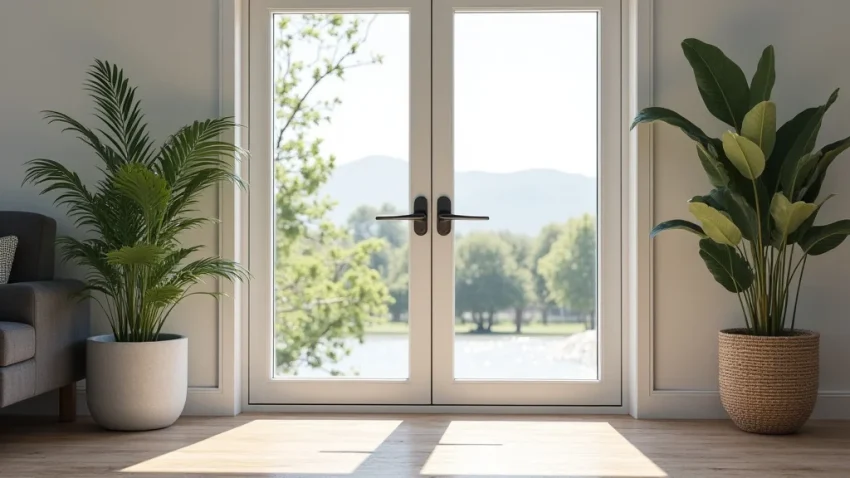
Is the bright sun shining through your sliding glass doors making your home too hot? Many people wonder how to find the best sliding glass door sun blocker. It can seem like a big puzzle at first.
But don’t worry, we will walk through it simply. We will show you easy ways to pick the right sun blocker for your home.
Key Takeaways
- Different types of sun blockers exist for sliding glass doors.
- Each type offers unique benefits for blocking sun and heat.
- Factors like budget, climate, and style affect your choice.
- Installation methods vary, from DIY to professional help.
- Proper selection can save energy and improve comfort.
- Maintenance needs differ among sun blocker options.
Types Of Sliding Glass Door Sun Blockers
Sliding glass doors let in lots of light, which is nice. But they can also let in too much heat and glare. Finding a good sliding glass door sun blocker is important for comfort and saving money on cooling bills.
There are many ways to solve this problem. We will look at the most popular and effective solutions you can use for your home. This section covers the main choices you have.
Window Films For Sliding Doors
Window films are a great option because they stick directly to the glass. They are like a second skin for your doors. These films come in many shades and types.
Some just reduce glare, while others significantly block heat. There are also decorative films that can add privacy or style.
Applying window film can be a DIY project. It requires careful cleaning of the glass and a steady hand. Mistakes can lead to bubbles or wrinkles, which might not look good.
But if done right, they are very effective. They can block up to 99% of UV rays, which prevents furniture from fading. They also keep your home cooler in summer.
Benefits Of Window Films
- Blocks harmful UV rays
- Reduces heat and glare
- Adds privacy and security
- Affordable compared to other options
- Comes in various styles and tints
UV rays can cause damage over time. They fade carpets, upholstery, and artwork. Window films act as a shield against these damaging rays.
This helps keep your home looking new for longer. The heat reduction is also a big plus. It means your air conditioner doesn’t have to work as hard.
This can lead to lower electricity bills.
Privacy films can be a good choice if your sliding doors face a busy area. They let light in but make it hard for people outside to see inside. This gives you peace of mind.
Security films can also make the glass harder to break. This adds an extra layer of safety to your home. The cost of window film is usually lower than blinds or shutters.
This makes it a budget-friendly solution.
Different Types Of Window Films
- Solar films: Block heat and glare while letting light through.
- Safety films: Strengthen glass to resist breakage.
- Decorative films: Add patterns, colors, or frosted looks for privacy and style.
- Privacy films: Obscure the view from outside while allowing light in.
Solar films are designed to reduce the amount of solar heat that enters your home. They work by reflecting or absorbing sunlight. This can significantly lower your cooling costs.
Some films are tinted to reduce glare, making it easier to watch TV or use computers. Others are virtually clear, so they don’t change the appearance of your glass.
Safety films are applied to the inside of the glass. They help hold the glass together if it breaks. This can prevent injuries from flying shards.
Decorative films are a fun way to add personality to your home. You can find them with etched glass looks, geometric patterns, or even custom designs. They are a great way to update a space without major renovations.
Applying Window Film A Simple Guide
- Clean the glass thoroughly with a mild soap and water solution.
- Measure and cut the film to size, leaving a small overlap.
- Spray the glass and the film with a water and a few drops of soap solution.
- Carefully apply the film, smoothing out any bubbles or wrinkles with a squeegee.
- Trim any excess film with a sharp blade.
The cleaning step is crucial. Any dirt or dust on the glass will show under the film. Use a good glass cleaner and a lint-free cloth.
Make sure to get into the corners. When cutting the film, it’s better to cut it a little larger than needed. You can trim the excess perfectly with a sharp utility knife once it’s in place.
The soap and water solution helps the film slide into place. It also allows you to remove it and reposition it if needed. Start at the top and work your way down with the squeegee.
Apply firm, even pressure to push out all the water and air bubbles. Be patient during this process. It might take a little practice to get it perfect.
External Shades For Sliding Doors
External shades, also known as exterior shades or awnings, are mounted on the outside of your home. They are a very effective way to block the sun before it even touches the glass. This makes them one of the best options for keeping your home cool.
These shades can be made of durable fabric or metal. They are designed to withstand weather. Many are retractable, meaning you can pull them down when the sun is strong and retract them when you want the sun’s warmth or light.
This gives you control over your home’s environment.
Benefits Of External Shades
- Blocks sun before it hits the glass
- Significantly reduces heat gain
- Protects your doors and windows from weather
- Can improve curb appeal
- Offers adjustable shade
By stopping the sun’s rays outside, external shades prevent heat from building up inside your home. This is far more effective than blocking heat after it has already entered through the glass. Studies show that external shading can reduce solar heat gain by up to 75%.
This can lead to substantial savings on air conditioning costs.
The materials used for external shades are usually weather-resistant. This means they can handle sun, rain, and wind. This longevity makes them a good long-term investment.
They also protect your sliding doors and the surrounding frames from direct sun exposure. This can prevent fading and damage over time. Many shades offer a modern look that can enhance your home’s appearance.
Types Of External Shades
- Retractable awnings: Can be rolled up or down manually or with a motor.
- Fixed awnings: Permanently attached, offering constant shade.
- Exterior roller shades: Similar to interior roller blinds but designed for outdoor use.
- Solar screens: Durable mesh screens that block heat and glare.
Retractable awnings are very popular because of their flexibility. You can choose when to use them. Motorized versions offer convenience with the push of a button.
Fixed awnings are simpler and often more affordable. They provide a consistent shaded area, which can be ideal for patios or decks.
Exterior roller shades are made from strong materials like vinyl or acrylic. They roll down vertically in front of the window. Solar screens are a type of fabric shade that allows some light and airflow while blocking a significant amount of heat.
They offer a more subtle look than fabric awnings.
Installation Considerations For External Shades
- Professional installation is often recommended for secure mounting.
- Ensure the mounting surface is strong enough to support the shade.
- Consider the direction your doors face for optimal placement.
- Check local building codes for any restrictions.
Mounting external shades requires a sturdy wall or overhang. This ensures they are securely attached and can withstand wind. Professional installers have the tools and expertise to do this safely.
They can also advise on the best placement for maximum benefit.
The direction the door faces is very important. South-facing doors get the most intense sun. West-facing doors also get strong afternoon sun.
Positioning shades correctly can make a big difference. Always check local regulations before installing anything outside your home.
Interior Blinds And Curtains
While not blocking the sun before it hits the glass, interior blinds and curtains are a common solution for managing sunlight and heat through sliding glass doors. They are easy to install and offer a wide range of styles and light control options.
These options are typically more affordable than external shades or specialized window films. They also contribute to your home’s interior design. You can choose fabrics and colors that match your decor.
They provide a layer of insulation, though less effective than external solutions for heat gain.
Benefits Of Interior Blinds And Curtains
- Easy to install and operate
- Wide variety of styles, colors, and materials
- Control over light and privacy
- Can offer some insulation
- Cost-effective
Interior blinds come in many forms, such as Venetian blinds (slats), roller blinds (one piece of fabric), Roman blinds (fold up), and cellular shades (honeycomb structure). Each offers a different level of light filtering and insulation. For sliding doors, larger blinds or multiple blinds are often used.
Curtains, or draperies, can be made from various fabrics. Thicker, blackout curtains are best for blocking light and heat. Lighter fabrics will offer less heat reduction.
The way curtains are hung also matters. They should extend beyond the door frame to cover it completely when closed.
Types Of Interior Blinds
- Vertical blinds: Slats hang vertically and are ideal for sliding doors.
- Roller blinds: A simple fabric shade that rolls up onto a tube.
- Roman blinds: Fabric folds up into neat pleats.
- Cellular shades: Honeycomb-shaped pockets trap air for insulation.
Vertical blinds are a classic choice for sliding doors. Their slats can be tilted to control light and privacy. They also slide open and closed easily, allowing access to the outdoors.
They can be made from fabric, vinyl, or aluminum.
Roller blinds are a modern and minimalist option. They provide a clean look and are easy to operate. For very large sliding doors, they might need to be split into two or more blinds.
Roman blinds offer a softer look and can be made from decorative fabrics. Cellular shades are excellent for insulation. Their air pockets help keep heat out in summer and in during winter.
Curtains For Sliding Glass Doors
- Choose blackout or thermal-lined curtains for maximum heat blocking.
- Hang them on a sturdy rod that extends beyond the door frame.
- Consider layering sheer curtains with heavier drapes for versatility.
- Ensure they reach the floor or slightly above for full coverage.
Blackout curtains are designed to block almost all light. This can be great for bedrooms or home theaters. Thermal-lined curtains have an extra layer of material that helps insulate.
This provides a barrier against heat entering or escaping. The rod should be strong enough to hold the weight of the curtains.
Extending the rod past the door frame prevents light from seeping in through the sides. Layering offers flexibility. You can have sheer curtains for diffused light and privacy during the day, and heavy drapes for full blackout and insulation when needed.
The length should be considered carefully to avoid tripping hazards.
Combination Approaches
Sometimes, one solution isn’t enough. You might find that using a combination of methods works best for your sliding glass door sun blocker needs. This can give you more control and better results.
For example, you could use window film on the glass and then add curtains inside. Or you might combine external shades with interior blinds. This layered approach can tackle heat and glare from multiple angles.
It provides a comprehensive solution.
Example Combination 1 Solar Film And Blackout Curtains
Apply a solar window film to your sliding glass doors. This film will block a significant amount of direct sun and heat from entering. Then, hang blackout curtains on the inside.
When the sun is at its strongest, close the curtains for extra protection and darkness. This combination offers excellent heat blocking and light control. It also adds a decorative touch to your room.
This method is great for homes in very sunny climates. The film works all the time, day and night. The curtains offer an extra layer of defense when you need it most.
It’s a practical way to keep your home cool and comfortable. Plus, it can help protect your furniture and floors from sun damage.
Example Combination 2 Exterior Roller Shade And Interior Blinds
Install an exterior roller shade that can be lowered during the hottest parts of the day. This is your first line of defense against solar heat. Inside, you can use vertical blinds.
These allow you to adjust light and privacy. You can open the blinds fully when the exterior shade is down. Or tilt them to let in soft light.
This combination provides robust protection against heat. The external shade is the most effective at stopping heat before it reaches the glass. The interior blinds offer a secondary layer of control and comfort.
This setup is ideal for busy households that want effective sun blocking with easy operation.
Choosing The Right Sliding Glass Door Sun Blocker For You
Picking the best sliding glass door sun blocker depends on your specific needs and situation. Think about how much sun your doors get. Consider how hot your home gets in the summer.
Your budget also plays a big role. We will help you weigh the pros and cons to make a smart choice.
Factors To Consider
- Budget: How much do you want to spend? Some options are much cheaper than others.
- Climate: Do you live in a very hot or sunny area? This will affect how much protection you need.
- Aesthetics: How do you want your home to look? Some solutions are more visible than others.
- Installation Difficulty: Do you want a DIY project or are you okay with hiring someone?
- Maintenance: How much upkeep are you willing to do? Some options require more cleaning or care.
- Light Control Needs: Do you want to block all light or just reduce glare?
Your budget is a primary concern. Window films are often the most affordable starting point. External shades can be a larger investment.
Interior blinds and curtains fall somewhere in between, depending on the quality and material.
The climate is also key. If you experience extreme heat, investing in external shades or high-performance window films might be worth the cost. For milder climates, good quality interior blinds might be sufficient.
Think about how the sun affects your home throughout the year.
Aesthetics matter for your home’s appearance. Window films can be nearly invisible or add a decorative touch. Exterior shades come in various colors and styles.
Interior blinds and curtains offer the most variety for matching your decor.
Consider your comfort level with DIY tasks. Applying window film can be tricky. Installing blinds or curtains is usually straightforward.
External shades often require more robust mounting and might be best left to professionals.
Maintenance needs vary. Window films require gentle cleaning. Exterior shades might need occasional cleaning or fabric treatment.
Blinds and curtains may need dusting or washing. Choose a solution that fits your lifestyle.
Finally, think about your light control needs. Do you need complete darkness, or are you happy with diffused light? Blackout curtains offer maximum darkness.
Adjustable blinds give you fine-tuned control. Window films are available in different tint levels.
Cost Comparison Of Solutions
| Solution | Estimated Cost (per door) | Notes |
|---|---|---|
| Window Film | $20 – $100 | DIY friendly, wide range of prices based on type. |
| Interior Blinds (Vertical) | $50 – $200 | Moderate cost, DIY or professional installation. |
| Interior Curtains (Blackout) | $40 – $250 | Varies greatly by fabric quality and size. |
| Exterior Roller Shade | $200 – $800+ | Higher cost, professional installation often needed. |
| External Retractable Awning | $300 – $1500+ | Significant investment, very effective heat blocking. |
These are approximate costs and can vary based on brand, quality, and size. Window films are generally the most budget-friendly. They can be a great starting point for a sliding glass door sun blocker.
Interior blinds and curtains offer a range of prices. Basic vinyl blinds are cheaper than custom fabric Roman shades. Blackout curtains can be more expensive than lighter drapes.
The cost often reflects the material’s durability and features.
Exterior solutions like roller shades and awnings represent a larger investment. However, their effectiveness in reducing cooling costs can offset the initial expense over time. They offer superior protection against solar heat gain.
When calculating the total cost, remember to factor in installation if you are not doing it yourself. Professional installation can add to the overall price but ensures the product is fitted correctly and safely.
DIY Vs Professional Installation
Deciding whether to install your sliding glass door sun blocker yourself or hire a professional depends on the type of solution you choose and your comfort level with home improvement tasks.
For window films, many people find success with DIY application. The key is careful preparation and patience. If you’re not confident, there are professional installers available.
Interior blinds and curtains are generally considered easy DIY projects. Most come with instructions, and the tools needed are common household items. However, for very large or complex window treatments, professional fitting might be best.
Exterior shades, especially awnings and sturdy roller shades, often require more specialized tools and knowledge for secure mounting. They are exposed to the elements and must be installed correctly to be safe and effective. For these, professional installation is often recommended.
Common Myths Debunked
Myth 1: All window films are the same
Reality: Window films vary greatly in their purpose and effectiveness. Some are designed solely for privacy or decoration, while others specialize in blocking UV rays, reducing heat, or strengthening glass. It’s important to choose a film that specifically addresses your needs as a sliding glass door sun blocker.
Myth 2: Interior blinds are just as effective as exterior shades for blocking heat
Reality: Exterior shades block the sun’s heat before it reaches your windows, which is far more effective. Interior blinds block some of the heat after it has already passed through the glass, meaning your home still heats up initially. Exterior solutions offer superior heat reduction.
Myth 3: Blackout curtains completely stop all heat
Reality: While blackout curtains are excellent at blocking light and can offer some insulation, they do not stop heat entirely. Heat can still transfer through the glass and the fabric itself. For maximum heat blocking, external solutions or specialized window films are more efficient.
Myth 4: Installing a sliding glass door sun blocker is always complicated
Reality: The complexity depends on the solution. Applying window film can be a DIY project with some patience. Hanging curtains or basic blinds is usually straightforward.
However, exterior shades or complex blind systems might benefit from professional installation.
Frequently Asked Questions
Question: How much does a sliding glass door sun blocker typically cost
Answer: Costs vary widely. Window films can cost $20-$100 per door. Interior blinds range from $50-$200.
Exterior shades can cost $200-$800 or more, depending on the type and features.
Question: Can I install window film myself
Answer: Yes, many people successfully install window film themselves. It requires careful cleaning of the glass and patience to smooth out bubbles. If you’re not confident, professional installers are available.
Question: Do external shades require regular maintenance
Answer: Most external shades require minimal maintenance. Depending on the material, occasional cleaning with mild soap and water may be needed. Retractable awnings might need lubrication for moving parts.
Question: Which type of sliding glass door sun blocker is best for privacy
Answer: For privacy, decorative or frosted window films are excellent. Opaque interior blinds or heavy curtains also provide good privacy. Exterior solar screens can offer daytime privacy by obscuring the view from outside.
Question: Will a sliding glass door sun blocker help lower my energy bills
Answer: Yes, most sliding glass door sun blockers help lower energy bills by reducing the amount of heat entering your home. This means your air conditioner doesn’t have to work as hard, leading to savings on cooling costs.
Summary
Finding the right sliding glass door sun blocker is achievable. You can choose from window films, exterior shades, or interior blinds and curtains. Each has benefits.
Consider your budget, climate, and style. Combining methods can offer the best protection. Make a choice that keeps your home cool and comfortable.