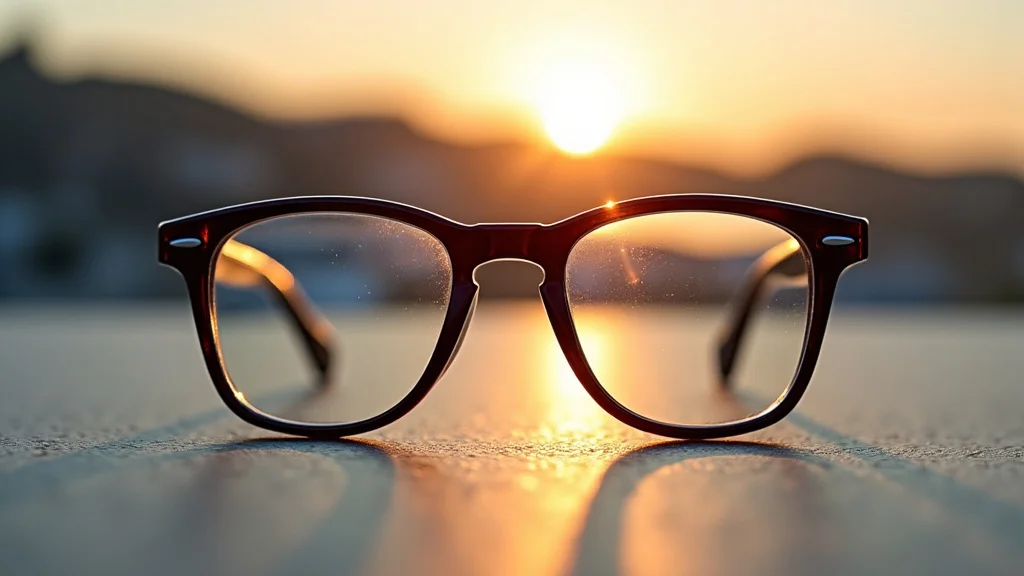
Looking for glasses that help you see up close and protect your eyes from the sun? Bifocal sun reading glasses can seem a bit tricky at first. Many people wonder if they are the right choice for them, especially if they are new to this type of eyewear.
Don’t worry, it’s simpler than you think! This guide will walk you through everything you need to know, step by step. Get ready to see the world more clearly and comfortably.
Key Takeaways
- Bifocal sun reading glasses combine reading magnification with UV protection.
- They are great for people who need help with both close-up tasks and bright outdoor light.
- Choosing the correct bifocal power is important for clear vision.
- Understanding lens materials and coatings helps in selecting durable and comfortable glasses.
- Proper fit and style ensure you look and feel good while wearing them.
- Bifocal sun reading glasses offer convenience for various outdoor activities.
Understanding Bifocal Sun Reading Glasses
Bifocal sun reading glasses are special eyeglasses designed to help people who have trouble seeing things up close, like reading a book or a menu, and also need protection from the sun’s bright rays. They have two different prescriptions in one lens. The top part of the lens helps you see things far away, and the bottom part has a special magnified section for reading and other close-up tasks.
The “sun” part means they have lenses that block harmful ultraviolet (UV) rays and often tint to reduce glare, just like sunglasses.
This dual functionality makes them super handy. Imagine being outdoors and wanting to read a map, your phone, or a brochure. Without them, you might have to switch between your regular glasses and reading glasses, or take your regular glasses off and squint.
Bifocal sun reading glasses solve this problem by giving you clear vision for both distances and sun protection all in one pair.
They are a popular choice for many people because they simplify life. Instead of carrying multiple pairs of glasses, you have one convenient option. This is especially true for people who enjoy outdoor hobbies like gardening, fishing, or simply relaxing on a patio.
They make these activities much more comfortable and enjoyable by ensuring you can see clearly without straining your eyes.
Why They Are Common and Helpful
The need for bifocal lenses often arises as people get older and develop presbyopia, a natural condition that makes it harder to focus on close objects. At the same time, more and more people are spending time outdoors and understand the importance of protecting their eyes from the sun. Combining these two needs into one product is a smart solution.
Bifocal sun reading glasses offer a practical way to manage these vision needs. They are common because they address a widespread problem with a simple product. Many brands offer them in a variety of styles and price points, making them accessible to a wide range of consumers.
Their popularity stems from their ability to improve quality of life by making everyday tasks easier and safer.
The convenience factor cannot be overstated. For someone who enjoys reading outdoors, the ability to seamlessly switch focus from the distant scenery to the text in their book is a significant advantage. This eliminates the hassle of changing glasses and allows for uninterrupted enjoyment of their surroundings and activities.
Key Features to Look For
When you’re looking for bifocal sun reading glasses, there are a few important things to consider. First, the magnification power for reading needs to be just right. This is usually measured in diopters, like +1.00, +1.50, +2.00, etc.
Getting this wrong can lead to eye strain or blurry vision.
Next, the sun protection aspect is crucial. Look for lenses that offer 100% UV protection. This means they block both UVA and UVB rays, which can harm your eyes over time.
Also, consider the tint. Darker tints are better for very bright conditions, while lighter tints might be suitable for overcast days or just general sun protection.
The bifocal line itself can also be a factor. There are different types of bifocal lenses. Traditional bifocals have a visible line separating the two prescriptions.
However, there are also “invisible” bifocals, sometimes called line-free bifocals or even progressive lenses (though true progressive lenses have a much smoother transition). For bifocal sun reading glasses, the traditional line is very common and often more affordable. The line placement should also be comfortable, usually resting just below the pupil when your head is in a normal viewing position.
The material of the lenses matters too. Polycarbonate lenses are lightweight and impact-resistant, making them a good choice for safety. Plastic lenses are also common and can be coated with scratch-resistant or anti-glare finishes.
Frame material and style are also important for comfort and appearance. A well-fitting frame will stay in place and won’t pinch your nose or ears.
Choosing the Right Magnification Power
Selecting the correct magnification power is perhaps the most important step when buying bifocal sun reading glasses. This power determines how much the lenses enlarge the text or objects you are looking at up close. If the power is too weak, you’ll still have trouble reading comfortably.
If it’s too strong, objects will appear blurry or distorted, and you might even experience headaches.
The magnification power is typically indicated by a plus (+) number, such as +1.00, +1.25, +1.50, +1.75, +2.00, +2.25, +2.50, +2.75, or +3.00. A higher number means stronger magnification. Most people in their 40s and 50s start needing a power between +1.00 and +2.00.
As people age, their near vision often requires a stronger prescription.
To find your ideal magnification, you can do a simple test. Grab a book or a product label with small print. Hold it at your comfortable reading distance (usually about 14-16 inches away).
If you can read it clearly, you probably don’t need magnification. If it’s a bit blurry, try holding it closer. If it becomes clear when held very close, you likely need a lower magnification power.
If you still struggle to read it clearly even when held close, you may need a higher magnification power.
Another way to estimate is to look at your current reading glasses, if you have them. The number printed on them is your magnification power. If you don’t have reading glasses, you can try a pair of bifocal sun reading glasses with a moderate magnification, like +1.50 or +2.00, and see how they feel.
If the reading part is too blurry or causes strain, try a different power. Many online retailers offer charts or quizzes to help you determine your estimated power based on your age and vision habits.
How Age Relates to Magnification
The need for reading magnification is directly related to age due to a condition called presbyopia. Presbyopia is a natural part of aging that affects the eye’s lens, making it less flexible. This reduced flexibility makes it difficult for the eye to change focus from distant objects to near objects.
It typically begins to affect people in their early to mid-40s and continues to progress.
Here’s a general guideline, though individual needs can vary:
- Ages 40-45: Typically need +1.00 to +1.50 magnification.
- Ages 45-50: Often need +1.50 to +2.00 magnification.
- Ages 50-55: May need +2.00 to +2.50 magnification.
- Ages 55+: Can require +2.50 to +3.00 or even higher.
It’s important to remember that these are just estimates. Your specific vision needs might be different. Factors like your overall health, eye conditions, and how much time you spend on close-up tasks can influence the magnification you require.
If you’re unsure, it’s always best to consult an eye care professional for a precise prescription.
Testing Your Reading Vision
To test your reading vision at home, you can use a simple chart like the one provided by the American Optometric Association or even just a standard newspaper or book. Place the reading material at a comfortable distance, typically about 16 inches from your eyes. Try to read a few sentences.
If the print appears blurry or you experience eye strain, you likely need reading glasses.
To determine the magnification, try holding up reading glasses of different strengths (e.g., +1.00, +1.50, +2.00) in front of your eyes while looking at the text. The strength that allows you to read clearly and comfortably without straining is likely the one you need. The “sun” part of the glasses usually doesn’t affect the magnification, but the tint might make it slightly harder to judge clarity initially.
Try testing without the sun tint if possible, or in a well-lit indoor area.
For bifocal sun reading glasses, you’ll want to test the bottom part of the lens. Make sure that when you look down through the reading portion, the text is clear and easy to read. If you find yourself needing to tilt your head or move the material up and down to find a clear spot, the magnification might not be correct for you.
Lens Materials and Coatings
The materials and coatings used in your bifocal sun reading glasses play a big role in their performance, durability, and comfort. Understanding these options can help you make a choice that best suits your lifestyle and needs.
The most common lens materials are plastic and polycarbonate. Plastic lenses are lighter and thinner than traditional glass lenses and can be easily tinted or coated. Polycarbonate lenses are a popular choice, especially for sunglasses and safety glasses, because they are extremely impact-resistant and naturally block UV rays.
They are also thinner and lighter than most plastic lenses, which can be more comfortable for everyday wear.
When it comes to coatings, several can enhance your experience. A scratch-resistant coating is highly recommended for any eyewear, as it helps protect the lenses from minor scuffs and scratches that can occur during daily use. An anti-reflective (AR) coating can also be beneficial, even on sunglass lenses.
It reduces glare from light bouncing off the front and back surfaces of the lens, which can improve clarity and reduce eye strain, especially in bright conditions.
For bifocal sun reading glasses, the tint of the lens is a key coating. Common tints include brown, gray, and green. Brown and amber tints can enhance contrast and are good for variable light conditions.
Gray tints provide true color perception and are excellent for reducing brightness without distorting colors. Green tints also offer good contrast and are often preferred for outdoor activities.
Understanding Different Lens Materials
When selecting eyewear, the material of the lenses is a significant consideration. Different materials offer varying benefits in terms of weight, durability, optical clarity, and UV protection. For bifocal sun reading glasses, you’ll typically encounter a few primary lens materials.
- Plastic (CR-39): This is a common and affordable material. CR-39 lenses are lighter than glass and can be easily tinted. They offer good optical clarity for most everyday uses. However, they are not as impact-resistant as polycarbonate and can scratch more easily without a protective coating. They are a solid choice for basic reading glasses with sun protection.
- Polycarbonate: These lenses are much stronger and more impact-resistant than plastic lenses. They are an excellent choice for safety and active lifestyles because they are difficult to break. Polycarbonate also naturally blocks 100% of UV rays, which is a significant advantage for sunglasses. They are thinner and lighter than plastic lenses, making them comfortable for all-day wear.
- Trivex: Similar to polycarbonate, Trivex is another high-impact material that is also very lightweight. It offers excellent optical clarity, comparable to CR-39, and superior impact resistance compared to CR-39. Trivex lenses are naturally UV blocking. They are often a premium option, offering a great balance of durability, comfort, and visual quality.
The choice of material often depends on your activity level and priorities. If you’re prone to dropping or bumping your glasses, polycarbonate or Trivex would be the most durable options. For general use where durability is less of a concern, plastic lenses can be perfectly adequate and more budget-friendly.
The Importance of UV Protection
Protecting your eyes from ultraviolet (UV) radiation is vital for long-term eye health. The sun emits UVA and UVB rays, both of which can cause damage to your eyes. Prolonged exposure to UV light is linked to several serious eye conditions, including cataracts, macular degeneration, and pterygium (growths on the eye’s surface).
When choosing bifocal sun reading glasses, ensure the lenses offer 100% UV protection. This means they block all harmful UVA and UVB rays. Many lenses, especially polycarbonate and Trivex, come with built-in UV protection.
If you’re opting for standard plastic lenses, check that they have a UV coating applied. The tint of the lenses does not necessarily indicate the level of UV protection; dark lenses without UV blocking can actually be more harmful because they cause your pupils to dilate, allowing more UV rays to enter the eye.
Regular sunglasses offer UV protection, and bifocal sun reading glasses do the same. This dual benefit means you don’t have to compromise on eye safety when you need reading magnification outdoors. By wearing glasses with full UV protection, you significantly reduce your risk of developing sun-related eye diseases and protect the delicate tissues of your eyes.
Tinting and Glare Reduction
The tint of sunglass lenses affects how much light passes through to your eyes and how colors appear. For bifocal sun reading glasses, the tint serves two main purposes: reducing brightness and providing comfort in sunny conditions. Different tint colors offer different benefits and are suited for various environments.
- Gray Tints: These are very popular because they reduce brightness without distorting colors. They offer excellent contrast and are suitable for most general outdoor activities, including driving.
- Brown and Amber Tints: These tints enhance contrast and can make colors appear warmer. They are often preferred for variable light conditions, such as on cloudy days or during sports like golf and fishing, where seeing subtle variations in terrain is important.
- Green Tints: Green lenses provide good contrast and color accuracy. They are also known for their ability to reduce eye strain in bright light, making them a good choice for general outdoor use.
Glare reduction is also a key feature of good sunglasses. Glare is the intense, uncomfortable brightness that often reflects off surfaces like water, snow, or roads. While tints reduce overall brightness, polarized lenses are the most effective at cutting glare.
Many bifocal sun reading glasses can be purchased with or without polarization. If you spend a lot of time near water or driving, polarized lenses can make a significant difference in visual comfort and clarity.
Fit, Style, and Comfort
Even the best bifocal sun reading glasses won’t be enjoyable to wear if they don’t fit well, look good, or feel comfortable. The frame of your glasses is just as important as the lenses themselves. A proper fit ensures the glasses stay securely on your face, the magnification lenses are positioned correctly for your eyes, and you don’t experience any discomfort.
When trying on frames, pay attention to a few key areas. The bridge of the glasses should rest comfortably on your nose without pinching or slipping. The temples (the arms that go over your ears) should be long enough to extend comfortably to your ears and should curve gently to stay in place.
The overall width of the frame should match the width of your face, so the lenses provide adequate coverage without being too wide or too narrow.
Style is subjective, of course, but choosing frames that complement your face shape and personal taste will make you more likely to wear them. There are countless frame styles available, from classic aviators and wayfarers to modern rectangular and cat-eye shapes. Consider the material of the frames too; plastic frames can be lightweight and come in many colors, while metal frames can offer a more refined look and adjustable nose pads.
Comfort is paramount for any eyewear you plan to wear for extended periods. Ensure there are no pressure points on your nose or behind your ears. The weight of the glasses also plays a role in comfort; lighter materials like titanium or certain plastics can be more comfortable for all-day wear.
Finding the Perfect Frame Fit
A well-fitting frame is essential for the proper functioning and comfort of your bifocal sun reading glasses. When the glasses sit correctly on your face, the reading portion of the bifocal lens will be aligned with your line of sight when you look down, ensuring you see clearly.
Here’s a breakdown of what to look for:
- Frame Width: The frame should be as wide as your face. The edges of the frame should align with the outer edges of your face. If the frame is too narrow, it can make your face look wider; if it’s too wide, it can make your face look narrower.
- Bridge Fit: The bridge is the part of the frame that rests on your nose. It should fit snugly but comfortably. If the frame has adjustable nose pads, they can be manipulated to achieve a perfect fit. If it’s a fixed bridge, ensure it sits flush against your nose without gaps or excessive pressure.
- Temple Length: The temples (arms) should be long enough to reach your ears comfortably. They should then curve slightly downwards behind your ears to hold the glasses securely without digging in. If the temples are too short, the glasses may slip down your nose. If they are too long, they might put pressure on the sides of your head.
- Lens Height and Shape: For bifocal glasses, the height of the lens is important. The reading segment is typically located in the lower portion of the lens. Ensure the lens is tall enough to accommodate the reading area comfortably without being so large that it obscures your distance vision when looking straight ahead.
Trying on glasses in person is ideal for achieving the best fit. However, if you’re shopping online, many retailers provide measuring guides and charts to help you find frames that match your measurements. Look for brands that offer different “fit” options, such as narrow, regular, or wide.
Considering Your Personal Style
Your eyeglasses are an accessory that can significantly impact your overall appearance. Therefore, considering your personal style when choosing bifocal sun reading glasses is just as important as ensuring they meet your vision needs. The right frames can enhance your features and express your personality.
Think about the occasions where you’ll be wearing these glasses. Are they primarily for casual outdoor activities, or will you also need them for slightly more formal settings? For casual wear, frames in more vibrant colors or classic shapes like aviators might be suitable.
For a more polished look, consider thinner metal frames or classic acetate styles.
Consider your face shape. Different frame styles are often recommended for different face shapes to create balance and harmony:
- Round faces: Rectangular or square frames can add definition.
- Square faces: Round or oval frames can soften angular features.
- Oval faces: Most frame styles work well, offering versatility.
- Heart-shaped faces: Frames that are wider at the bottom or have a cat-eye shape can be flattering.
Don’t forget about color! The color of the frames can complement your skin tone, hair color, and eye color. Neutral colors like black, brown, and tortoise are always safe bets, but don’t shy away from bolder colors if they match your style.
The material of the frame also contributes to the look – polished metal can appear sleek, while matte finishes can be more subtle.
Comfort for All-Day Wear
Comfort is key, especially if you plan to wear your bifocal sun reading glasses for extended periods. An uncomfortable pair of glasses can lead to headaches, pressure marks on your nose or ears, and a general reluctance to wear them, defeating their purpose.
Several factors contribute to the comfort of your glasses:
- Weight: Lighter materials like acetate, TR90 (a type of flexible plastic), titanium, or thin metal alloys can make a significant difference. Polycarbonate and Trivex lenses are also lighter than glass.
- Nose Pads: Adjustable nose pads allow you to customize the fit on your nose, preventing pressure points and slippage. Some frames have integrated nose pads that are molded to fit a general nose shape.
- Temple Design: The way the temples are shaped and padded can affect comfort. Some temples have rubberized tips for grip and comfort, while others are thin and flexible to avoid pressure on the side of your head.
- Frame Material: Some materials can cause skin irritation for individuals with sensitivities. Hypoallergenic materials like titanium or certain plastics are good options for sensitive skin.
When trying on glasses, wear them for a few minutes. Move your head around, smile, and talk to get a sense of how they feel. If anything feels tight, dig into your skin, or slip easily, they might not be the most comfortable choice for you.
Many optometrists and opticians can adjust frames to improve comfort and fit, so don’t hesitate to ask for their help.
When to Consider Bifocal Sun Reading Glasses
Deciding when to opt for bifocal sun reading glasses is all about identifying specific needs and situations where their combined features offer the most benefit. They are not just a niche product; many people find them incredibly useful for a variety of everyday tasks and hobbies.
The most obvious scenario is when you experience presbyopia and also spend a significant amount of time outdoors. If you find yourself squinting to read menus at outdoor cafes, trying to identify plants in your garden, or needing to check your phone while sitting in the sun, these glasses can be a perfect solution. They eliminate the need to constantly switch between your regular glasses and reading glasses or sunglasses.
Think about activities that involve looking at things both near and far in bright conditions. This could include anything from boating and fishing, where you might need to read a fishing lure instruction while also keeping an eye on the water, to attending outdoor sporting events where you might want to read the program while watching the game. Even simple activities like grocery shopping outdoors, reading labels in a bright farmer’s market, or working in a sunny yard can be made much easier.
Outdoor Reading and Hobbies
For anyone who enjoys spending time outdoors and also needs reading assistance, bifocal sun reading glasses are a fantastic tool. They are designed to make these activities more comfortable and enjoyable by providing clear, magnified vision for close-up tasks while simultaneously shielding your eyes from the sun’s harsh glare and harmful UV rays.
Imagine you’re a keen gardener. You might need to read the small print on seed packets or fertilizer instructions. With bifocal sun reading glasses, you can do this easily while also seeing your plants and surroundings clearly.
Similarly, if you enjoy fishing, you might need to read the instructions on a new fishing lure or check the bait package. The polarized aspect of many sun lenses can also reduce glare off the water, improving visibility.
Other hobbies that benefit greatly include:
- Boating and Sailing: Reading charts, checking your phone, or examining equipment while enjoying the sunny open water.
- Camping and Hiking: Reading maps, trail guides, or a book by the campfire, all while protected from the sun.
- Picnics and Outdoor Dining: Effortlessly reading menus or books at sunny outdoor cafes or parks.
- Golfing: Reading scorecards or yardage markers while keeping an eye on the course.
The convenience of not having to carry multiple pairs of glasses – your regular ones, your reading glasses, and your sunglasses – makes these bifocal sun reading glasses a practical choice for anyone with an active outdoor lifestyle.
Travel and Errands in Sunny Climates
When you’re traveling, especially to sunny destinations, bifocal sun reading glasses can be a real lifesaver. You might be trying to read a map at a bustling outdoor market, decipher a foreign menu in a bright cafe, or check your flight details on your phone while waiting for your gate in a sunny airport lounge. These glasses make these tasks effortless and comfortable.
Running errands in sunny weather also becomes simpler. Whether you’re grabbing your morning coffee at an outdoor stand, reading street signs, or checking shopping lists while out and about, having this all-in-one solution means you’re always prepared. You won’t have to fumble for different pairs of glasses, which can be especially inconvenient when you’re on the go.
Consider a scenario where you’re on vacation and want to read a travel guide while lounging by the pool or on the beach. Instead of switching between sunglasses and reading glasses, or taking off your sunglasses to squint at the text, your bifocal sun reading glasses allow you to do both simultaneously. This frees you up to fully enjoy your surroundings without visual interruptions.
For drivers, they can be invaluable. Reading a GPS device or a parking ticket in bright sunlight becomes much easier. The glare reduction offered by sunglass lenses also improves driving safety by reducing visual distraction from the sun.
Combining Vision Needs
The fundamental reason for choosing bifocal sun reading glasses is the desire to combine two distinct vision needs into a single, convenient pair of eyewear. Many people develop presbyopia as they age, which affects their ability to focus on close objects. At the same time, protecting the eyes from the sun’s damaging UV rays and reducing glare is important for everyone, regardless of age.
If you already wear bifocal glasses for distance and near vision, and you spend time outdoors, adding sun protection to your existing prescription can be a logical step. You get the benefit of your regular distance vision correction, plus the added magnification for reading, all integrated with UV protection and tint.
This combination is particularly useful for activities where you might be switching focus frequently. For instance, if you’re a construction worker who needs to see blueprints up close and also monitor the work site from a distance in bright sunlight, bifocal sun reading glasses offer a practical solution. They reduce the need for multiple pairs of safety glasses and reading inserts.
The key is that you need both magnification for reading and sun protection. If you only need one of these features, then a standard pair of reading glasses or sunglasses would suffice. But when both needs are present, the bifocal sun reading glasses provide an efficient and comfortable answer.
Common Myths Debunked
Myth 1: Bifocal Sun Reading Glasses Are Only For Old People
This is a common misconception. While presbyopia, the condition requiring reading magnification, typically starts in people’s 40s, the need for sun protection is universal. Many younger people who spend a lot of time outdoors for sports, work, or recreation may benefit from bifocal sun reading glasses if they also have an early onset of near vision issues or specific visual needs.
The “sun” aspect is about eye health and comfort for everyone, while the reading part addresses focusing challenges that can affect people of various ages.
Myth 2: Bifocal Sun Reading Glasses Look Unattractive
Frame styles and lens technology have advanced significantly. Today, bifocal sun reading glasses come in a vast array of fashionable designs, materials, and colors, just like regular eyeglasses or sunglasses. You can find sleek, modern frames, classic styles, and even trendy shapes that are flattering for various face shapes.
The bifocal line is often less noticeable in sunglass tints, and there are even line-free options available, though these often fall into the category of progressive lenses which have a different transition.
Myth 3: All Sunglasses Offer UV Protection
This is not true. While most good quality sunglasses do offer UV protection, the tint of the lens does not indicate the level of UV blocking. Dark lenses without UV protection can actually be more harmful because they cause your pupils to dilate, allowing more UV rays into your eyes.
Always look for sunglasses that explicitly state they offer 100% UV protection. Bifocal sun reading glasses should also meet this standard for effective eye health benefits.
Myth 4: Bifocal Sun Reading Glasses Are Difficult to Get Used To
For many people, transitioning to bifocal sun reading glasses is quite straightforward, especially if they are already familiar with wearing reading glasses or bifocals. The key is to choose the correct magnification power and ensure the frame fits well. Your eyes usually adapt quickly to the different focal points.
If you experience initial discomfort, it’s often a sign that the magnification might be slightly off, or the frame needs adjustment, rather than an inherent difficulty with the lens type itself.
Frequently Asked Questions
Question: Can bifocal sun reading glasses correct astigmatism?
Answer: Standard bifocal sun reading glasses are primarily designed to correct presbyopia (difficulty with close vision) and provide sun protection. They typically do not correct astigmatism. If you have astigmatism, you would generally need prescription bifocal sun reading glasses made by an optometrist that incorporate a specific prescription for astigmatism along with the bifocal power and UV protection.
Question: How do I clean my bifocal sun reading glasses?
Answer: To clean your bifocal sun reading glasses, first rinse them under cool running water to remove any loose dust or debris. Then, use a mild soap and your fingertip to gently clean the lenses. Rinse them again and dry them with a soft, lint-free microfiber cloth specifically designed for eyeglasses.
Avoid using harsh chemicals, paper towels, or clothing, as these can scratch the lenses.
Question: Are polarized bifocal sun reading glasses worth the extra cost?
Answer: Polarized lenses significantly reduce glare from reflective surfaces like water, snow, and roads. If you spend a lot of time in environments with high glare, such as driving, fishing, or being near water, polarized bifocal sun reading glasses can greatly improve visual comfort, clarity, and safety. For many, the added cost is well worth the enhanced visual experience and reduced eye strain.
Question: Can I wear bifocal sun reading glasses all day?
Answer: Yes, you can wear bifocal sun reading glasses all day if they fit comfortably and provide clear vision for both your distance and reading needs. Many people find them convenient for everyday use, especially if they frequently switch between looking at distant objects and reading. Ensure the frame is lightweight and fits well to maximize comfort throughout the day.
Question: What is the difference between bifocal sun reading glasses and progressive lenses with sunglass features?
Answer: Bifocal sun reading glasses have two distinct viewing zones: one for distance and one for reading, separated by a visible line. Progressive lenses, on the other hand, offer a seamless transition of power from distance vision at the top, through intermediate vision in the middle, to reading vision at the bottom, without any visible lines. This provides a smoother visual experience but can take more time to adapt to.
Both can have sunglass features like UV protection and tint.
Summary
Bifocal sun reading glasses are a practical solution for clear vision and sun protection. They combine reading magnification with UV blocking and glare reduction. Choosing the right magnification, lens material, and frame fit ensures comfort and effectiveness.
These glasses are ideal for outdoor reading, travel, and anyone needing to see up close while enjoying sunny conditions. You can find stylish and comfortable options to suit your needs.